Feather Nest
Shelter
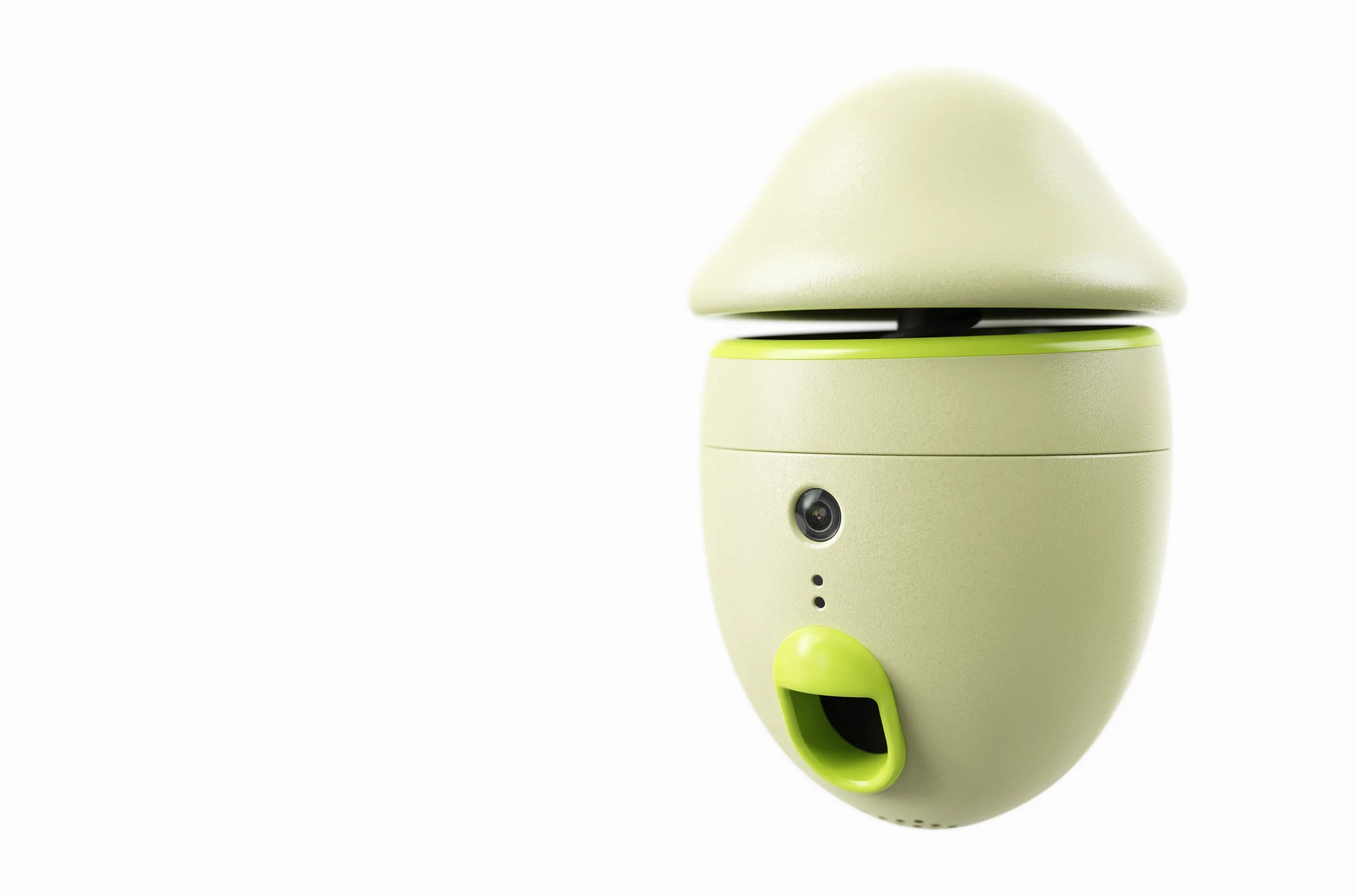
An interactive birdhouse that promotes a bird-friendly community through collective public effort.
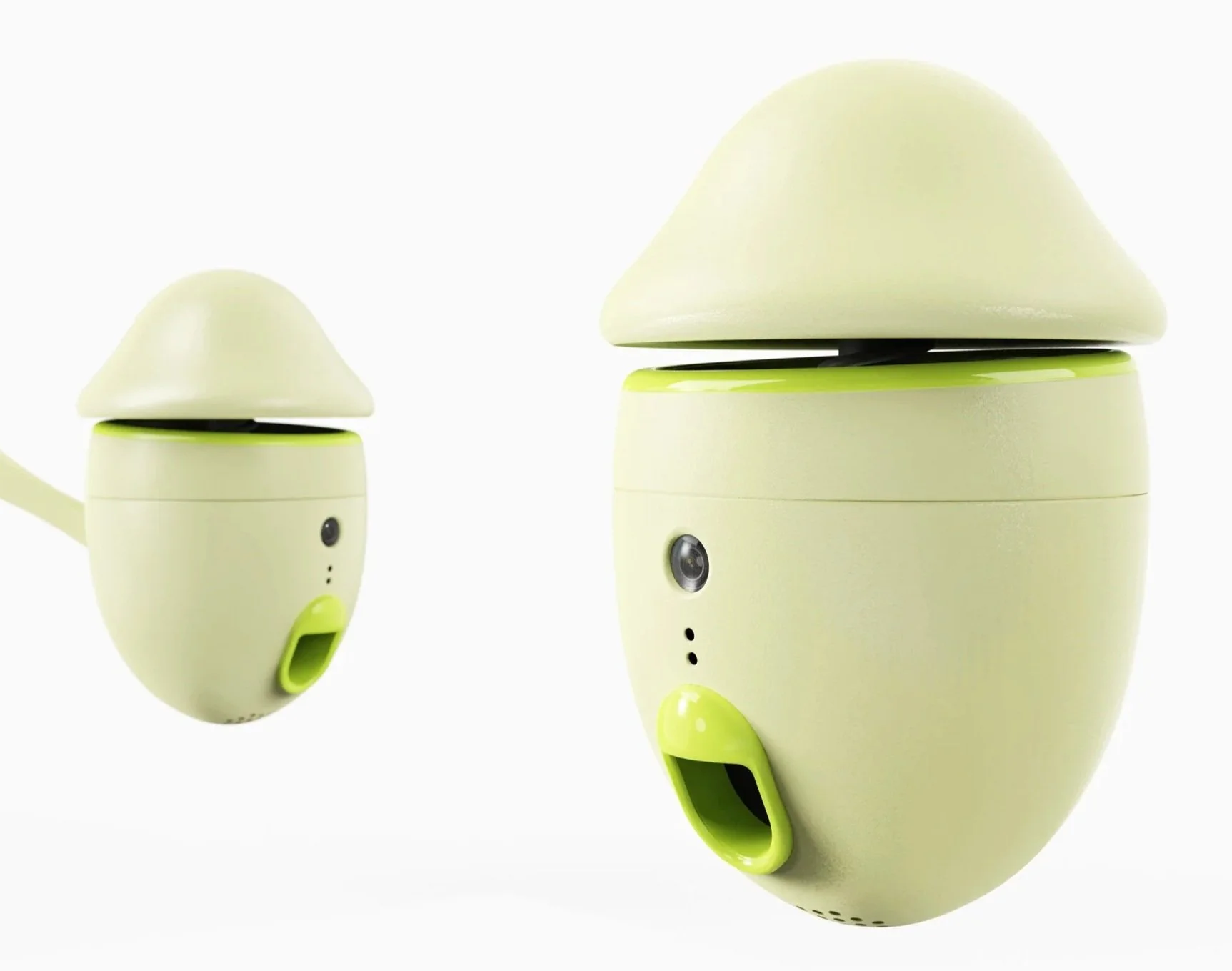
Instead of leaving wildlife protection solely to environmental organizations, this design invites everyone to participate in supporting bird populations. With a simple tap on the birdhouse, users can provide food for local birds, making conservation accessible and engaging for all. This small daily action creates meaningful impact, turning casual interactions into lasting habits while fostering a deeper connection between humans and birds.
Taking simple steps
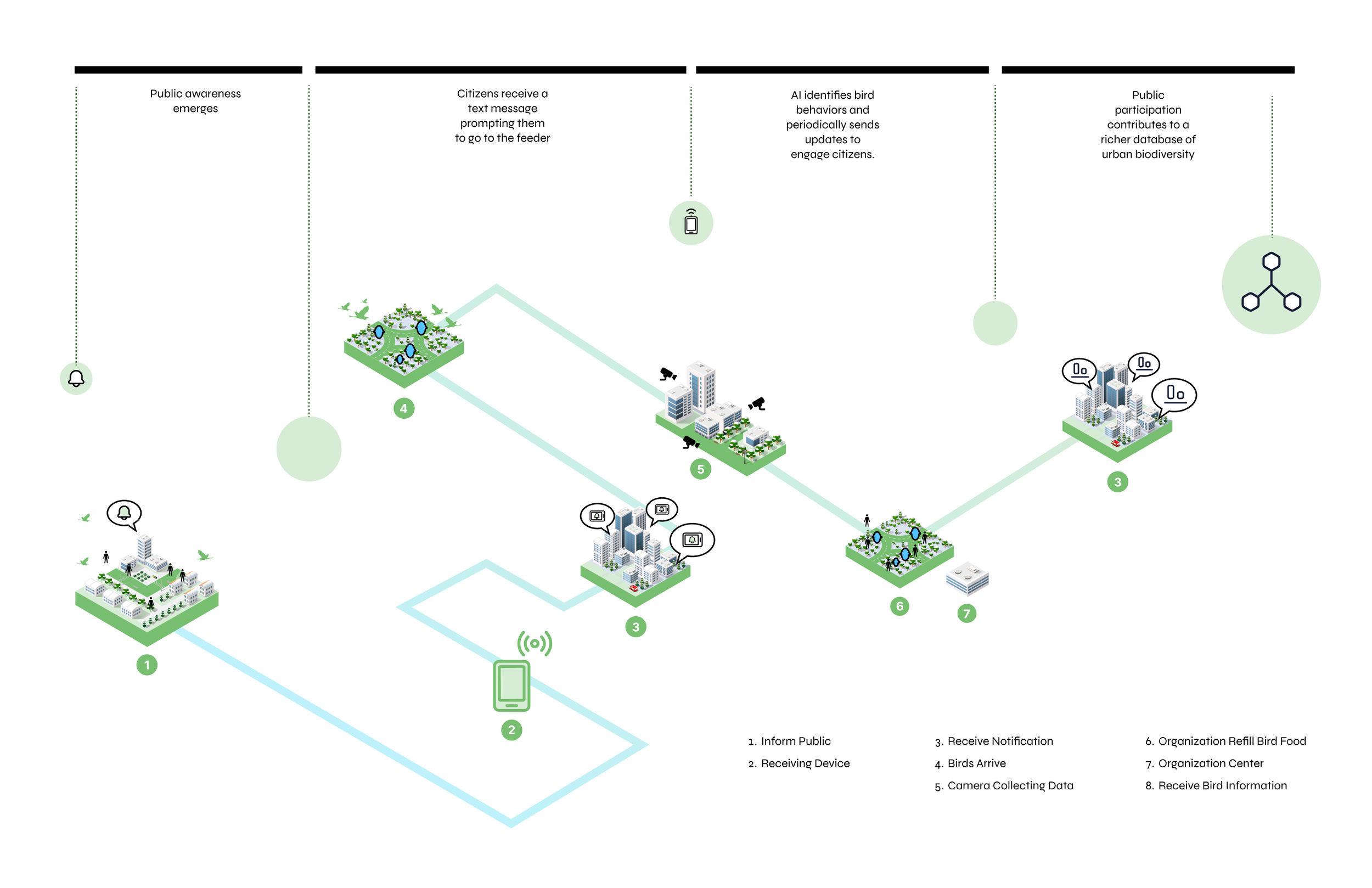
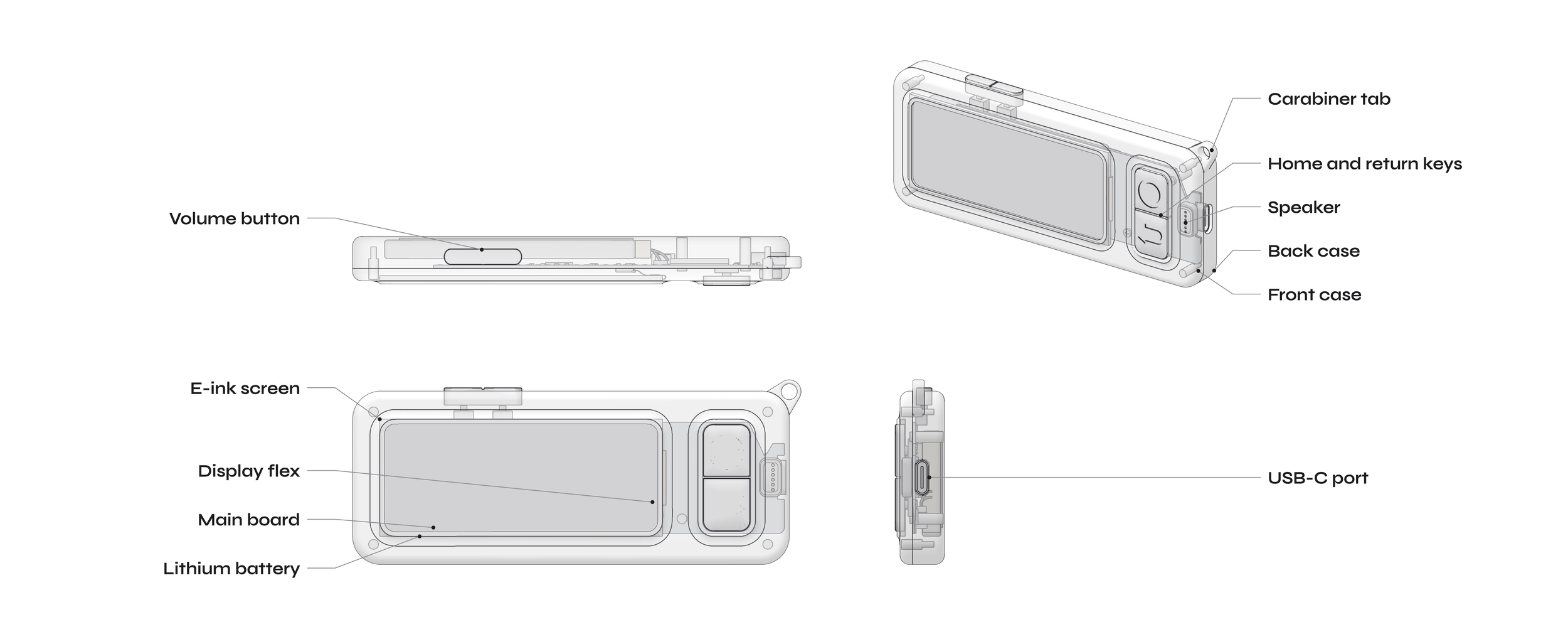
The birdhouses will be distributed and installed in urban parks throughout the city. Each birdhouse system includes a handheld notifier that displays information about the networked birdhouses. Users can use the device to view bird species details and monitor food levels.
service ecosystem
Hardware design
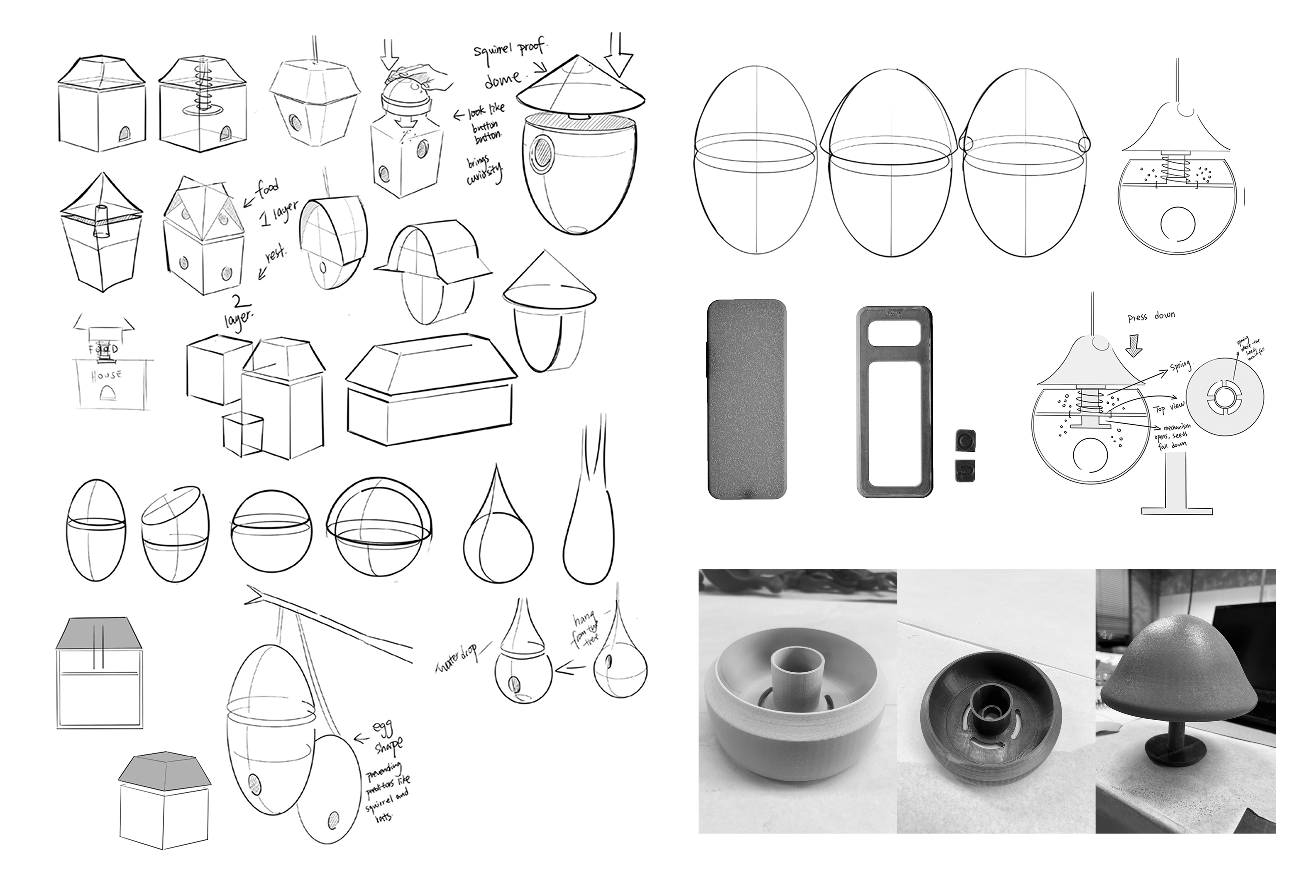
The concept of the bird house focus on satisfying the tactile experience of pressing a mechanical switch, connecting that sensation to the act of helping birds
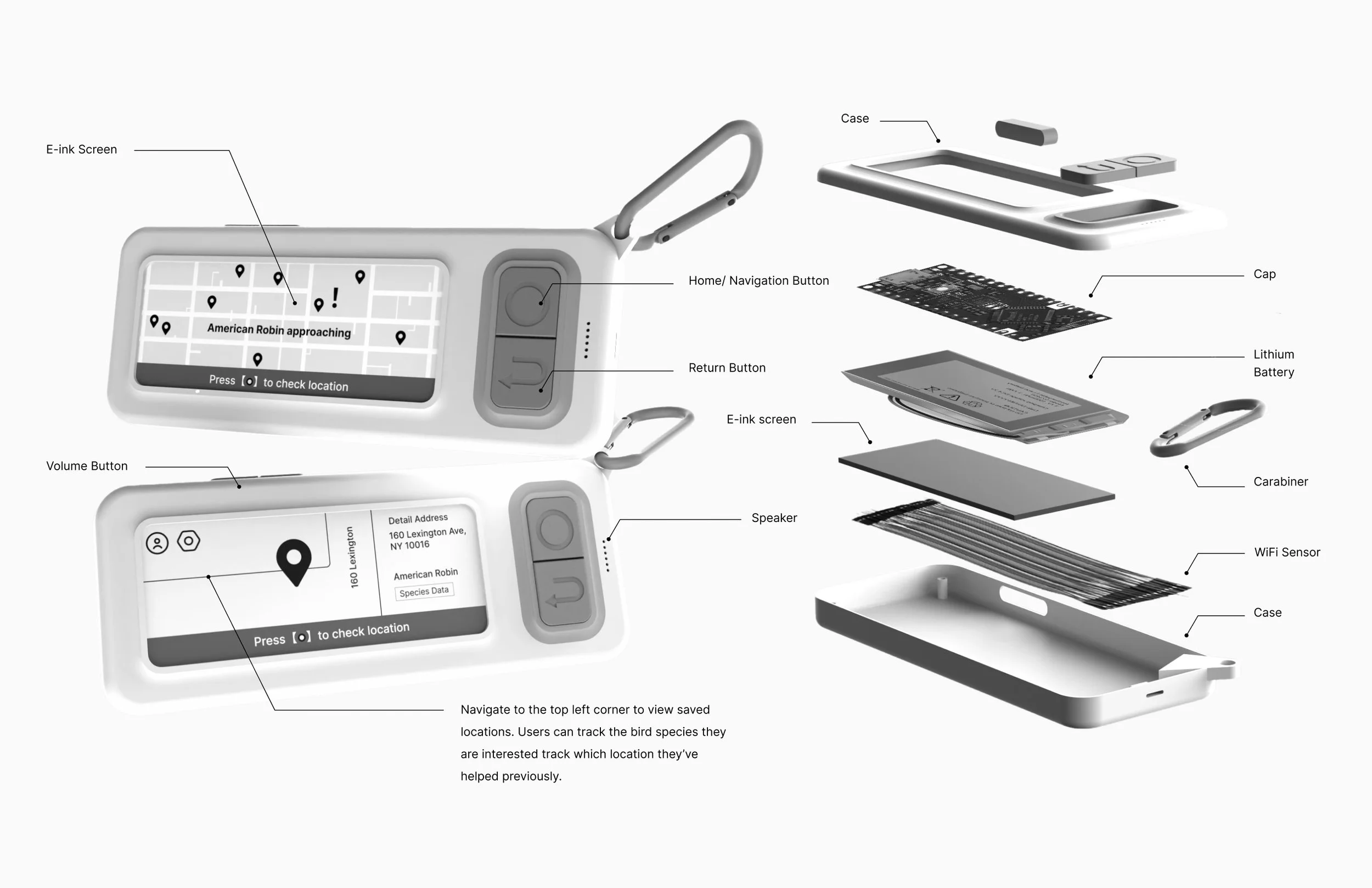
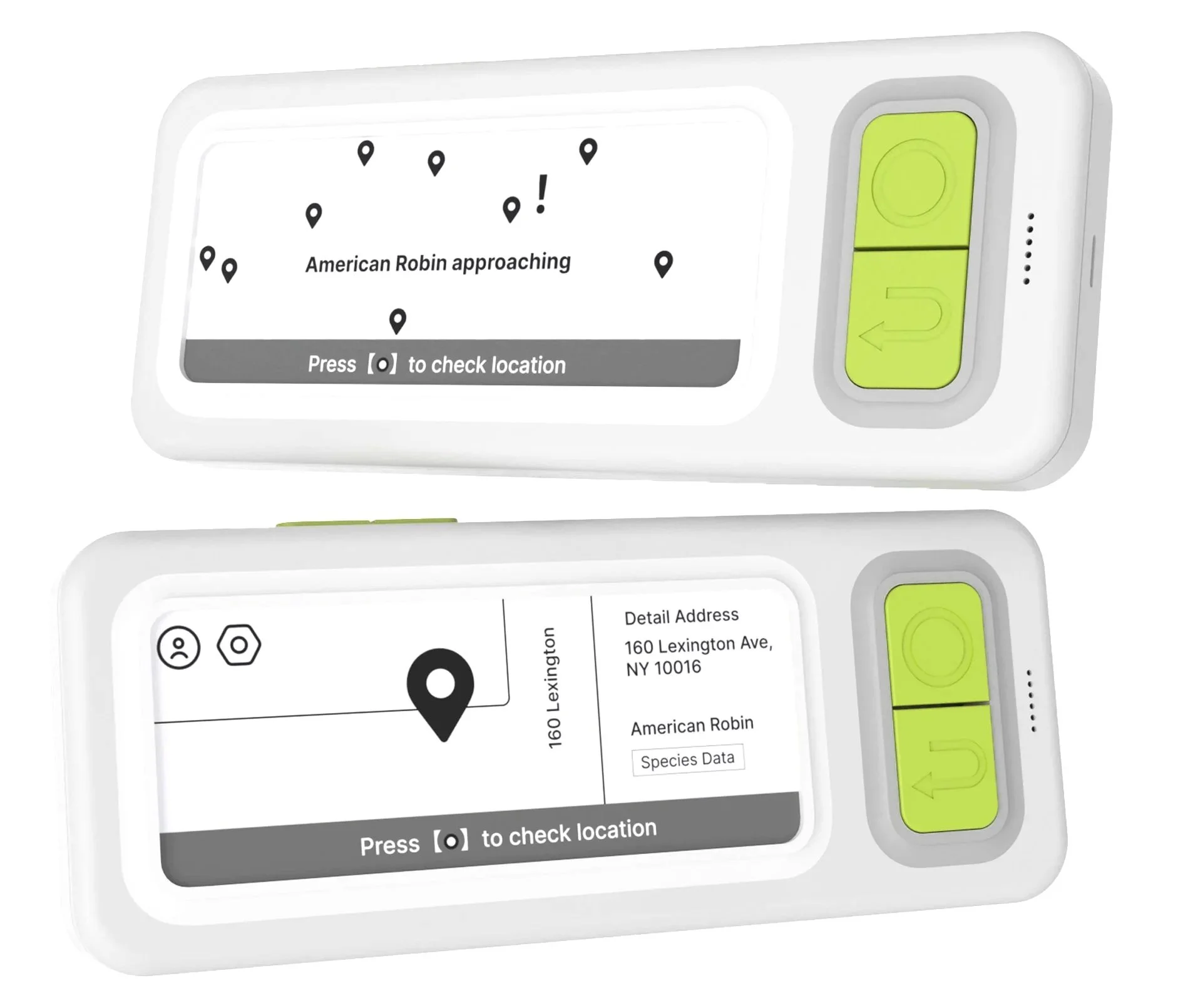
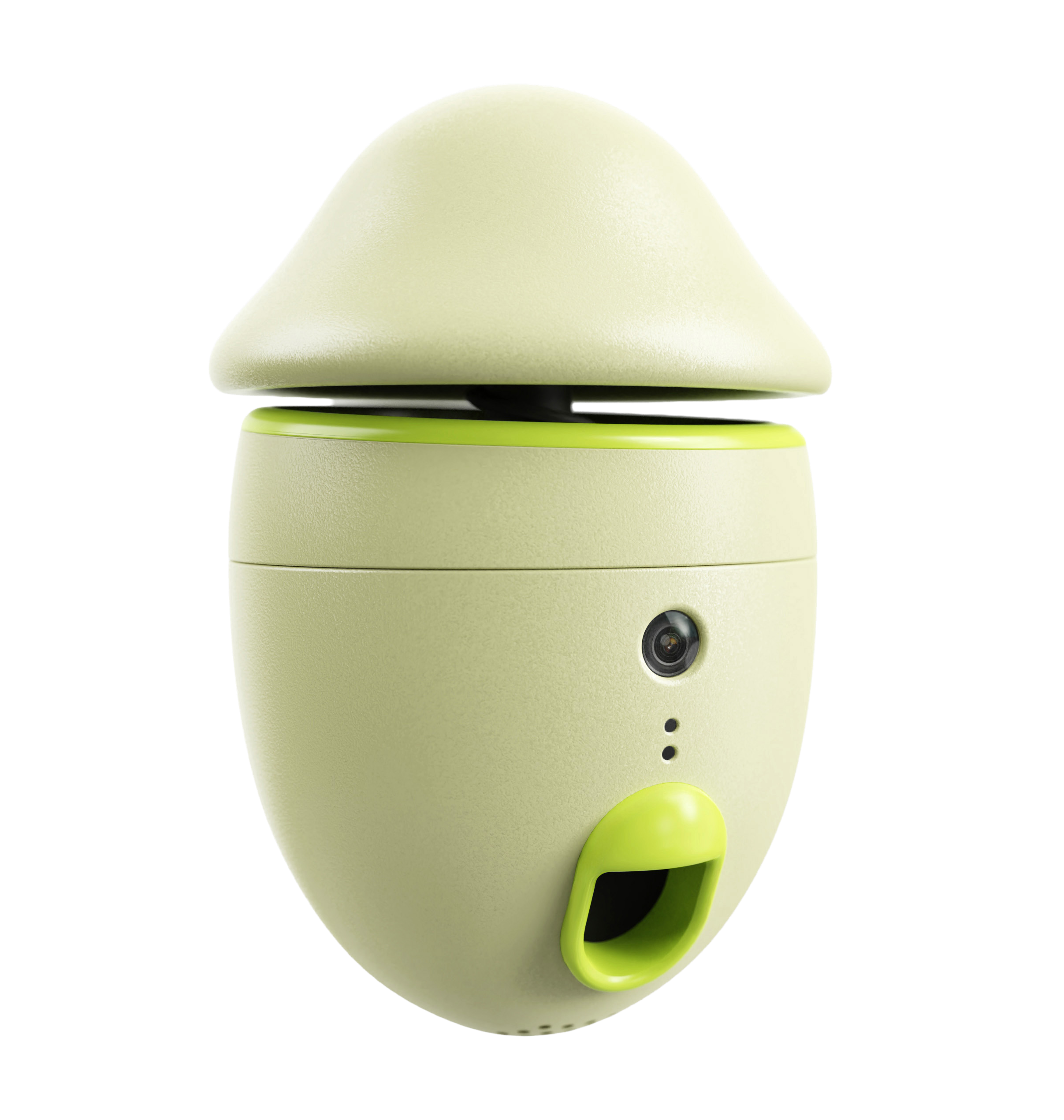
Product detials
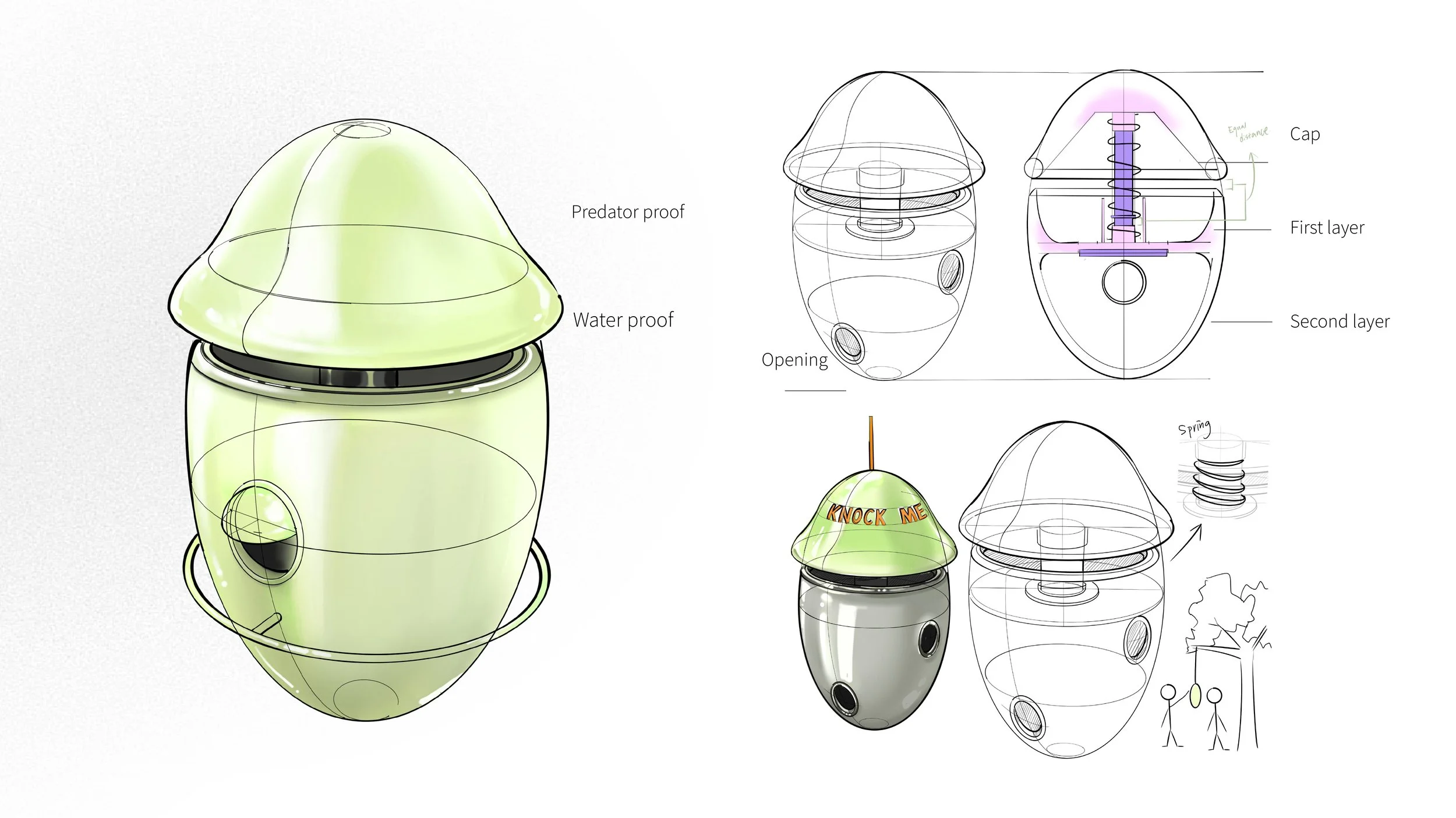
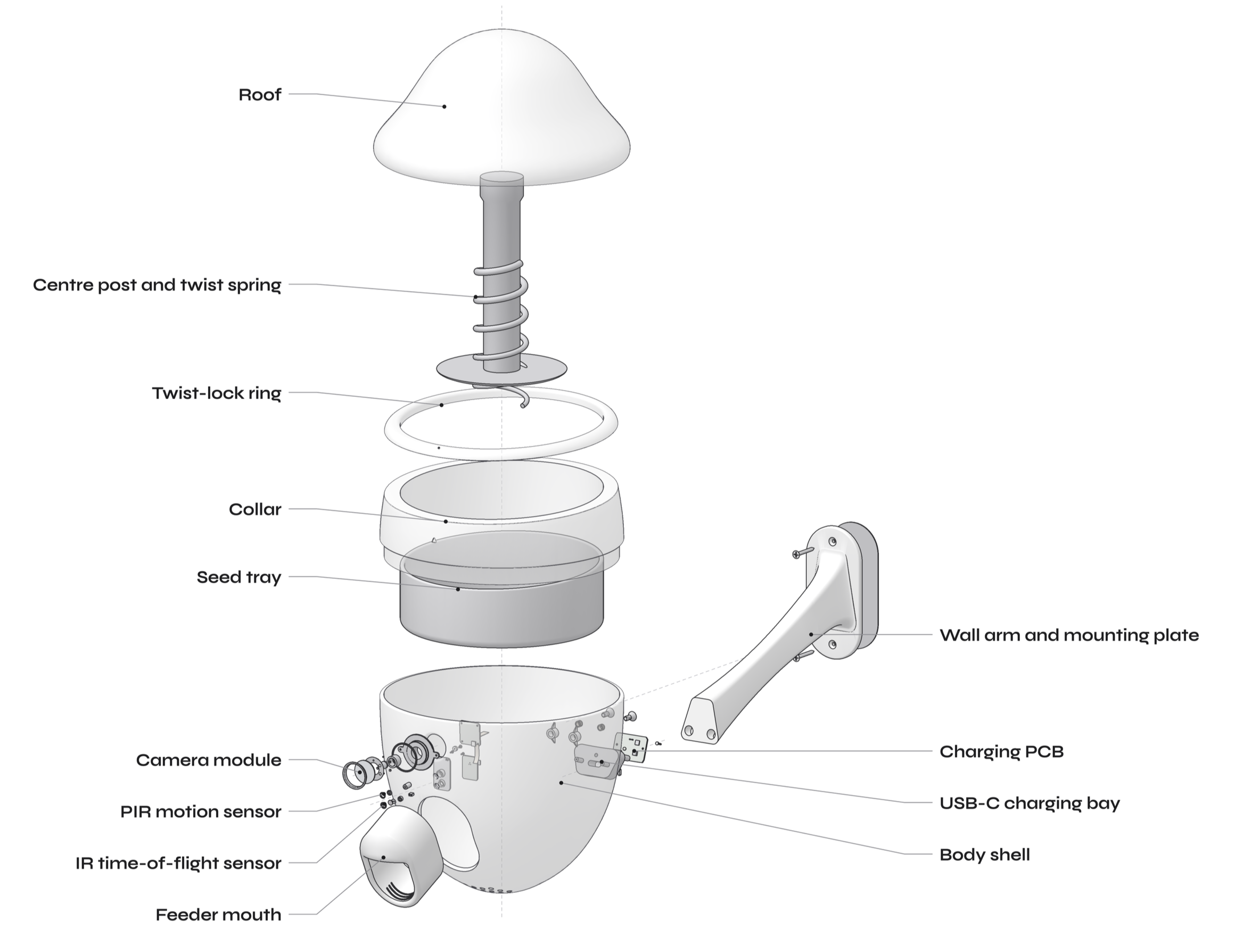
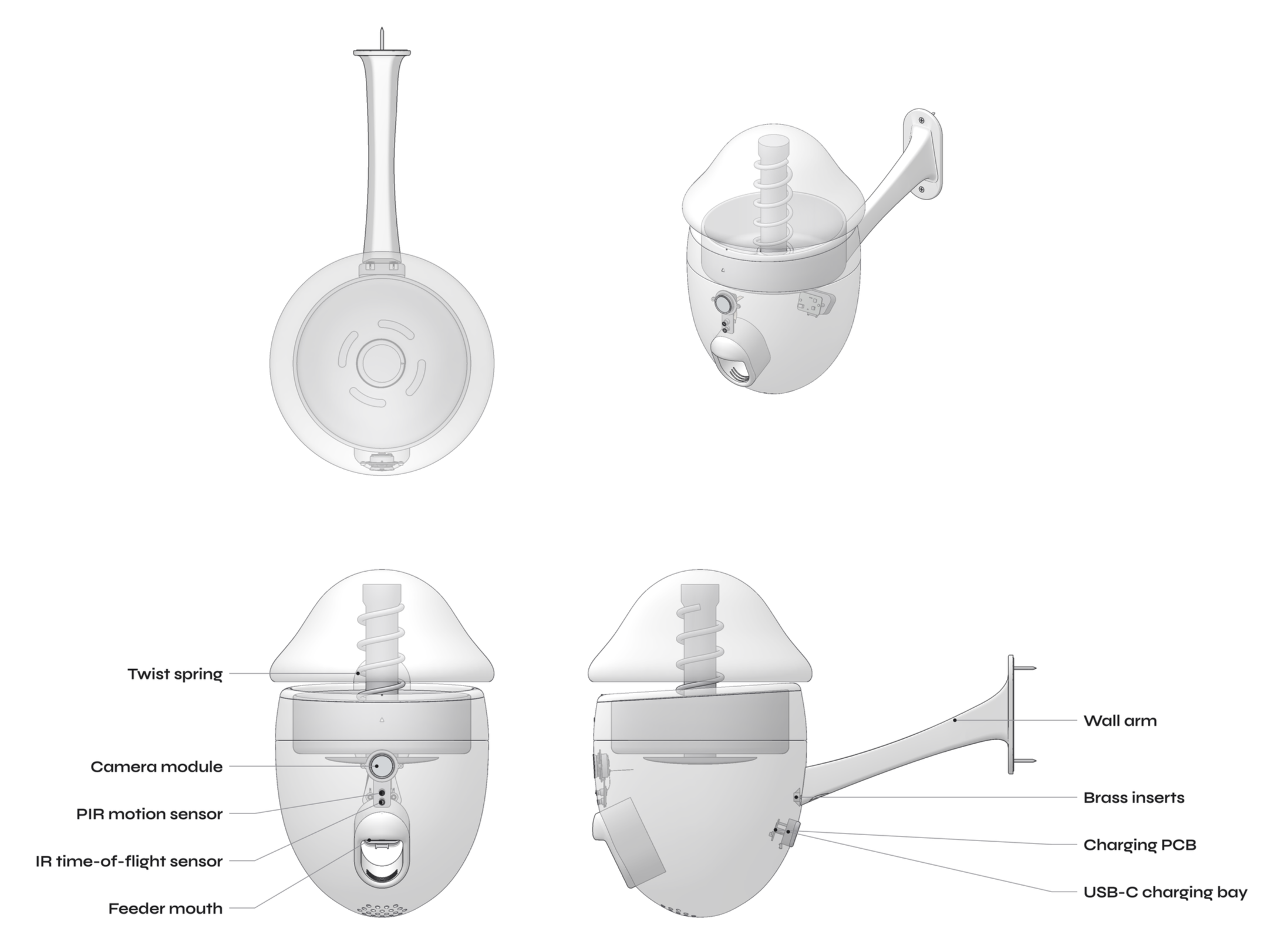
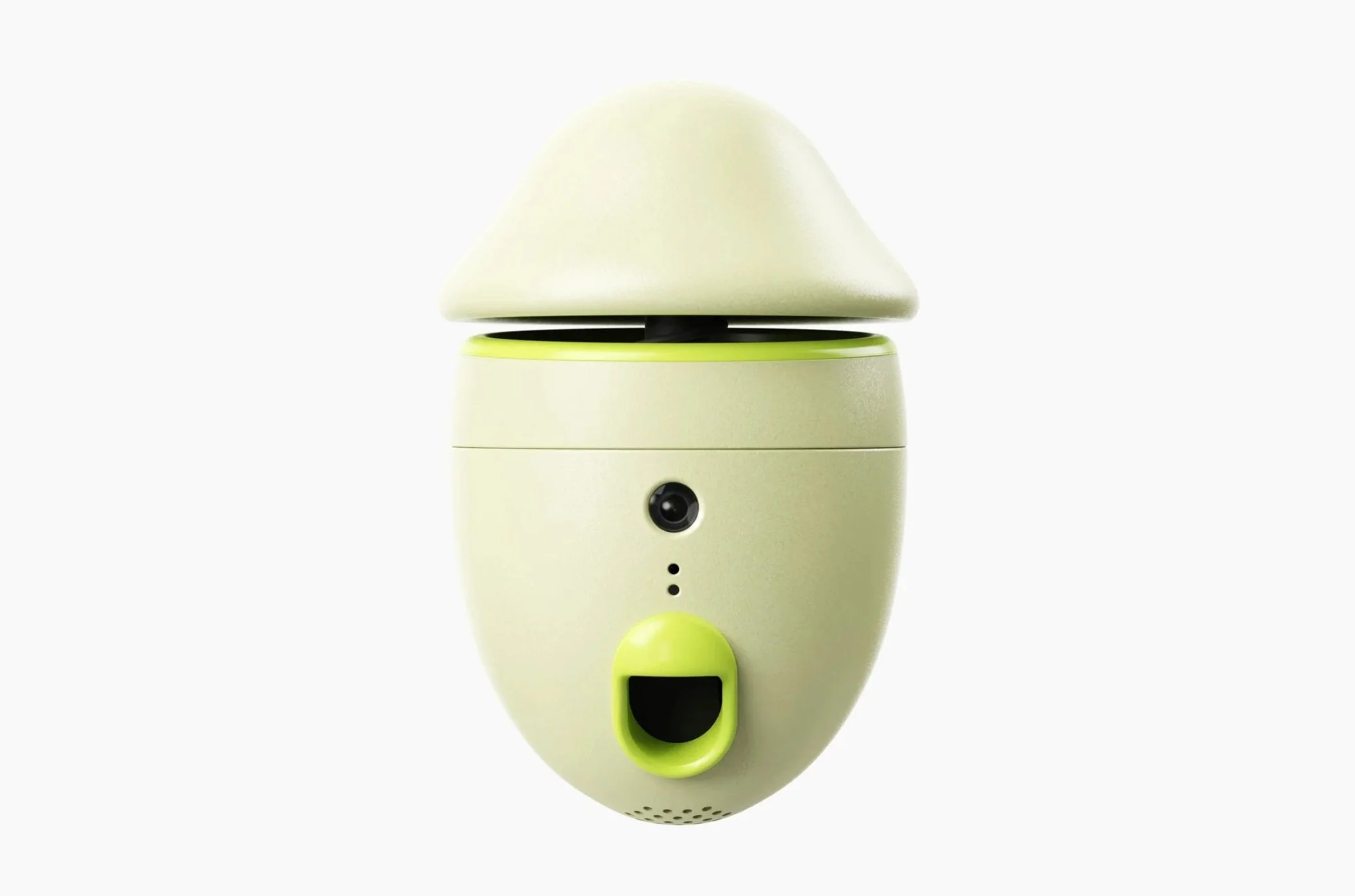
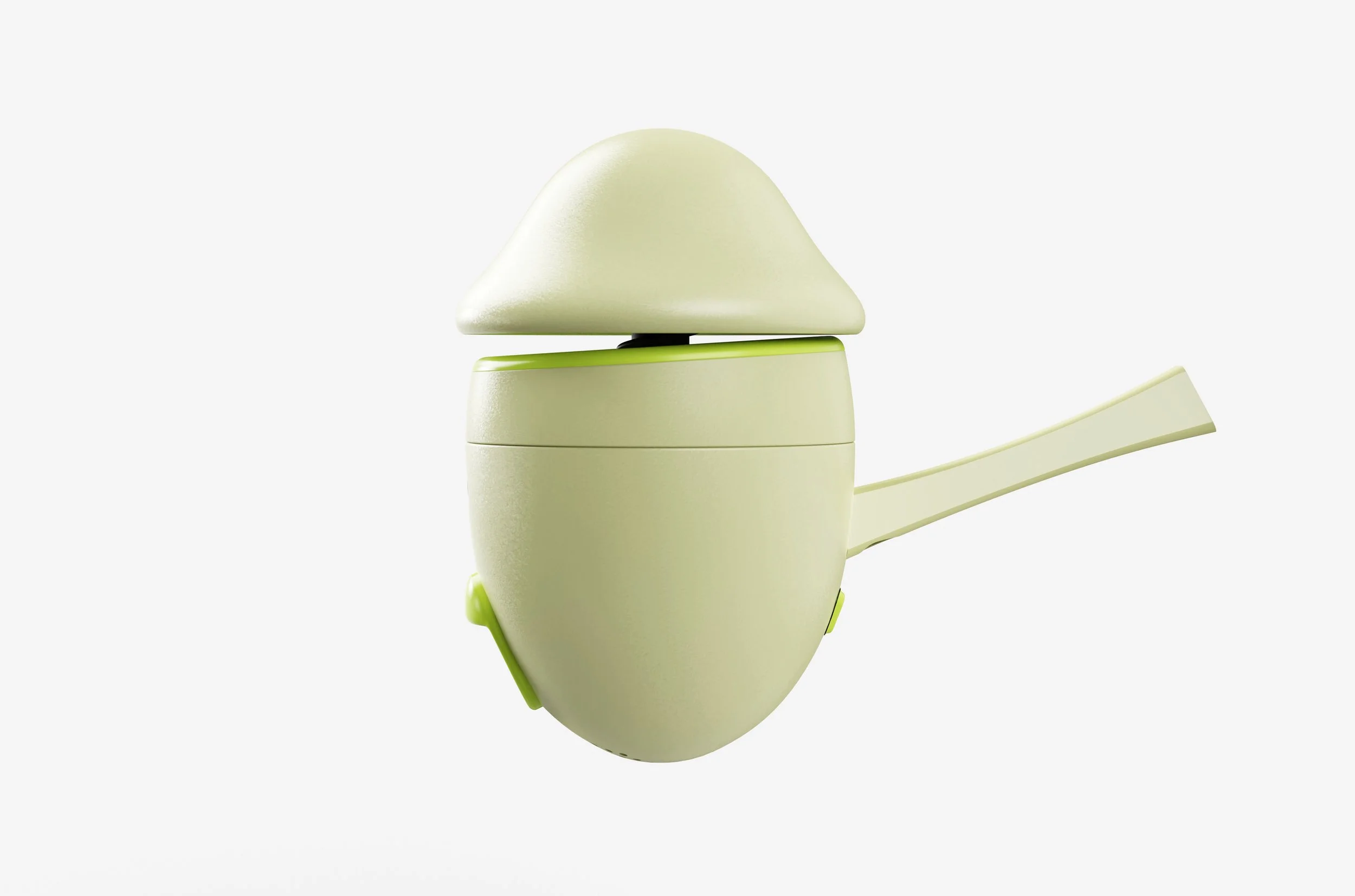
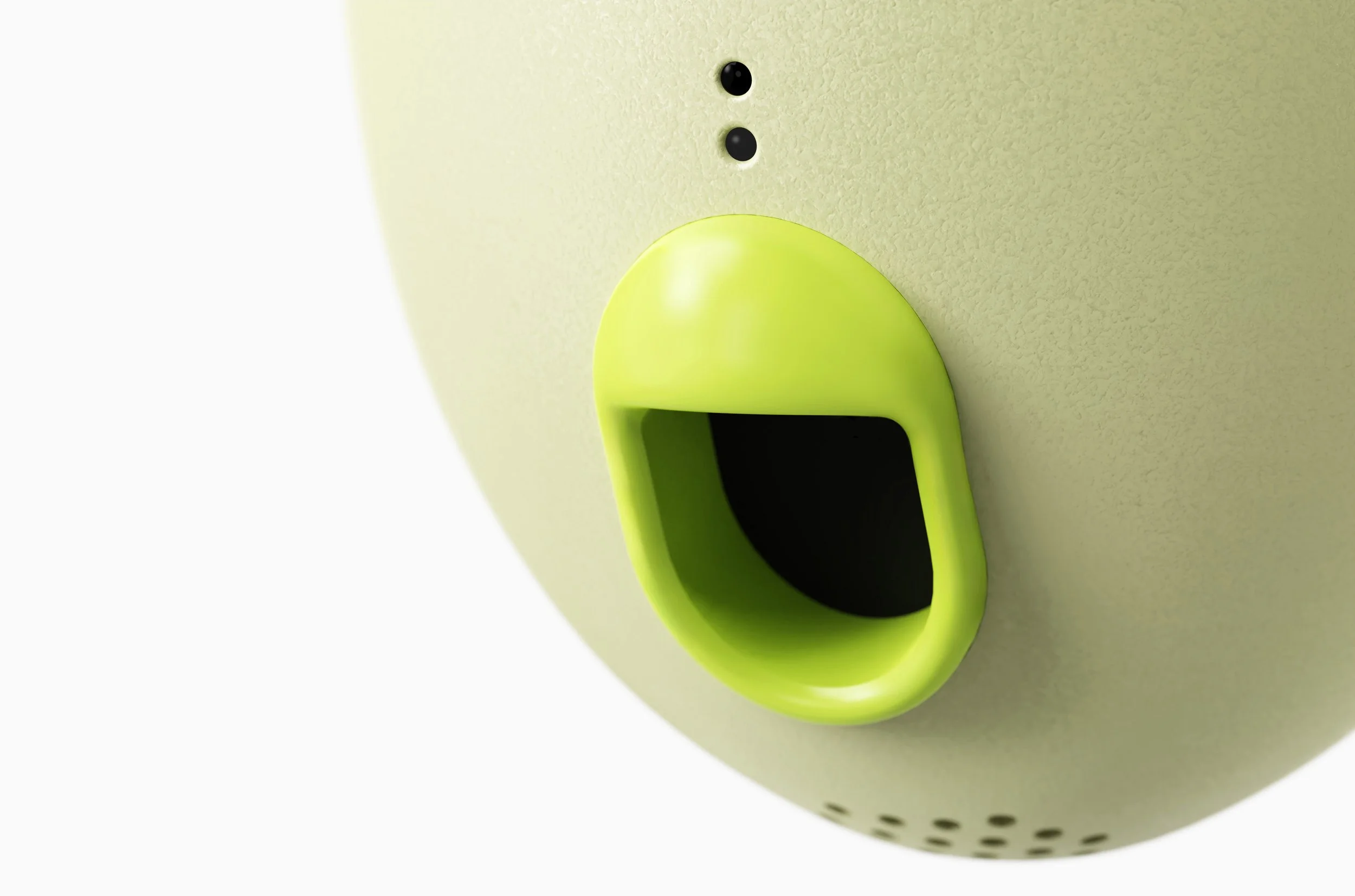
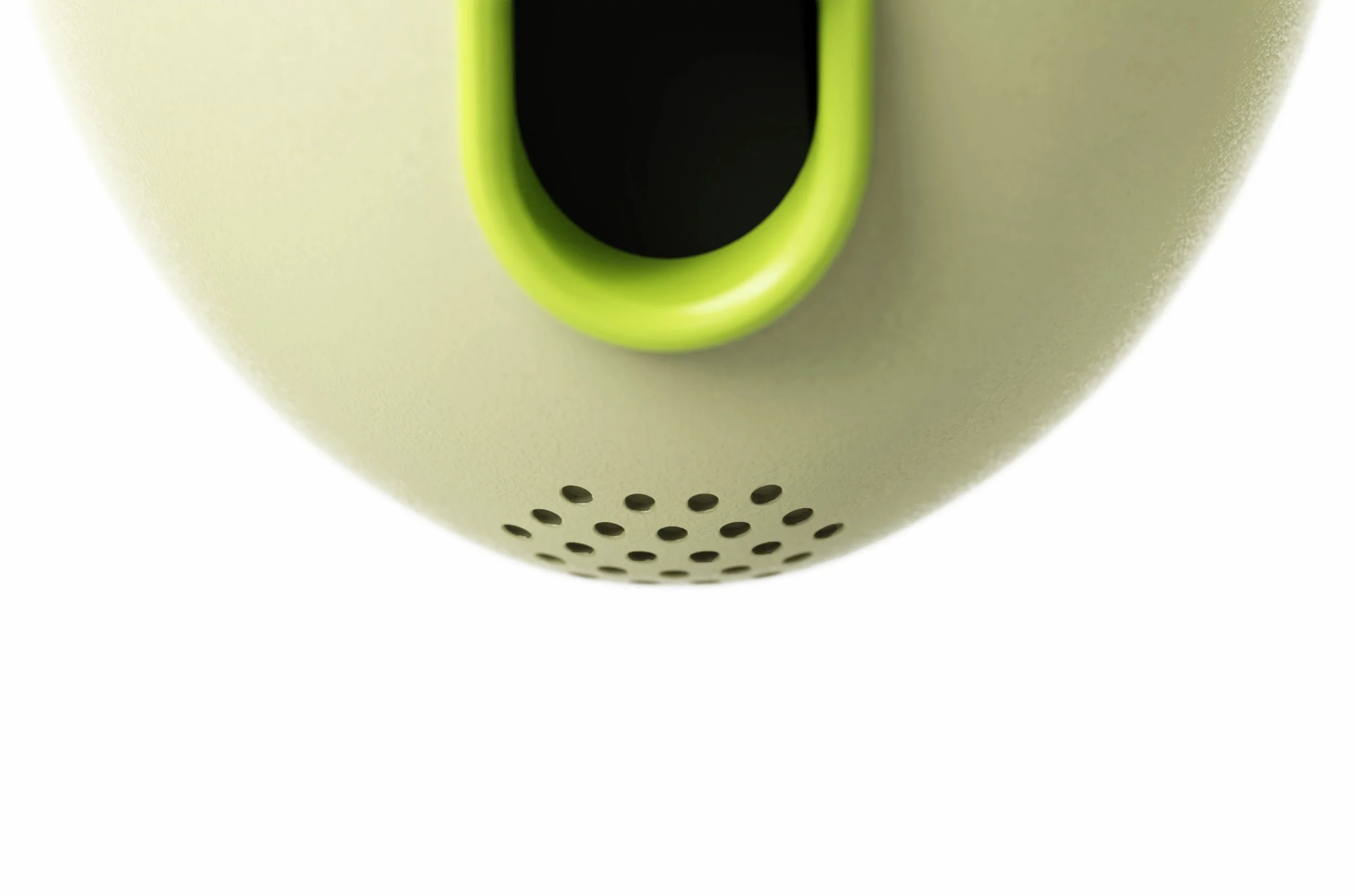
The house is consist of two layers. The upper layer is a food container and the lower is a house. Pressing the roof of the egg with trigger the spring mechanism and bird food will be dispose to the lower layer. The opening is 1 1/4 inches: Ideal for average small birds while preventing predators such as squirrels and rats.
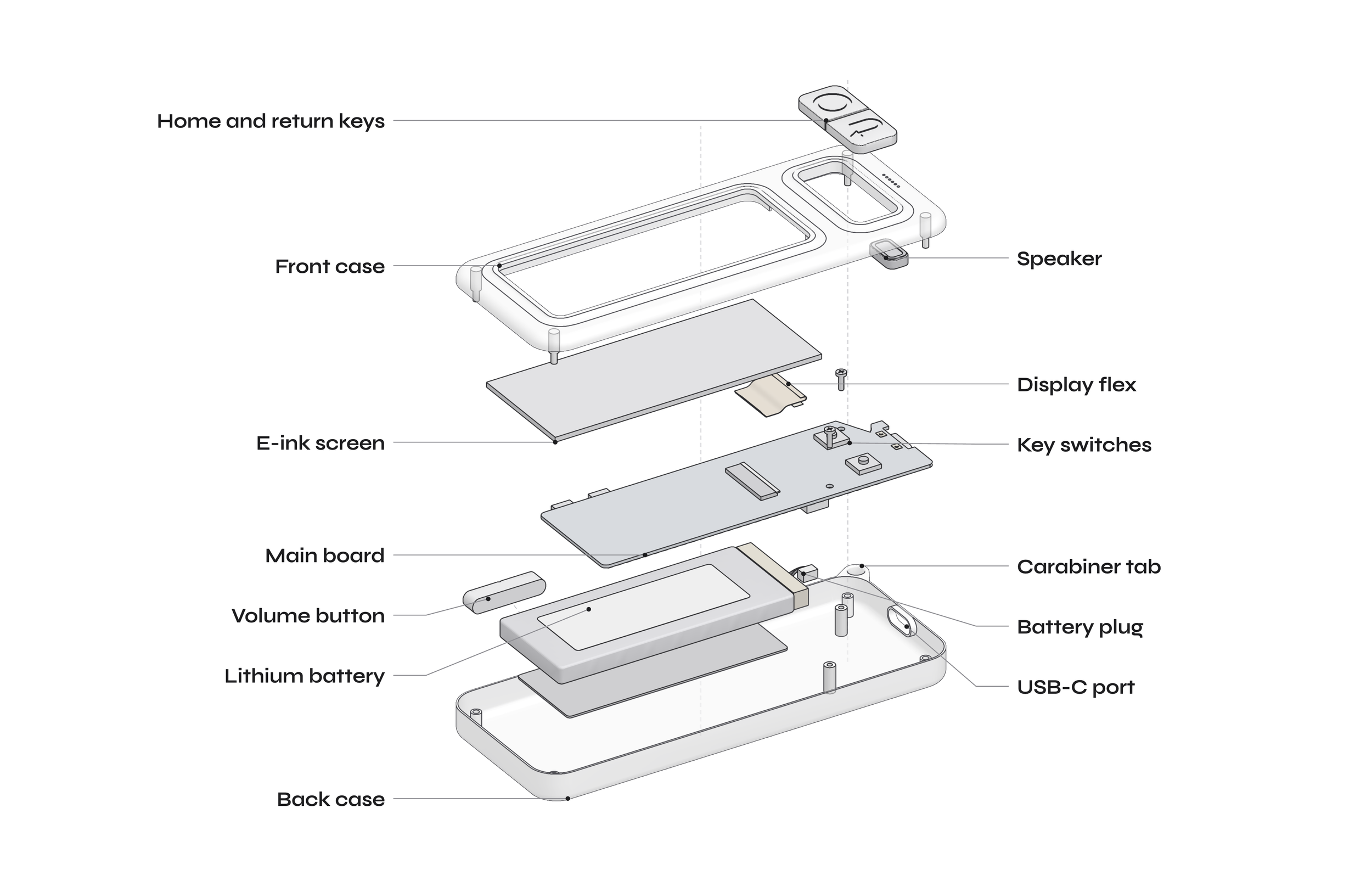
Species identification Timestamp recording
1¼" entrance sized for small birds while blocking predators like squirrels and rats. Circular design and raised roof further deter predators more effectively than a flat roof.
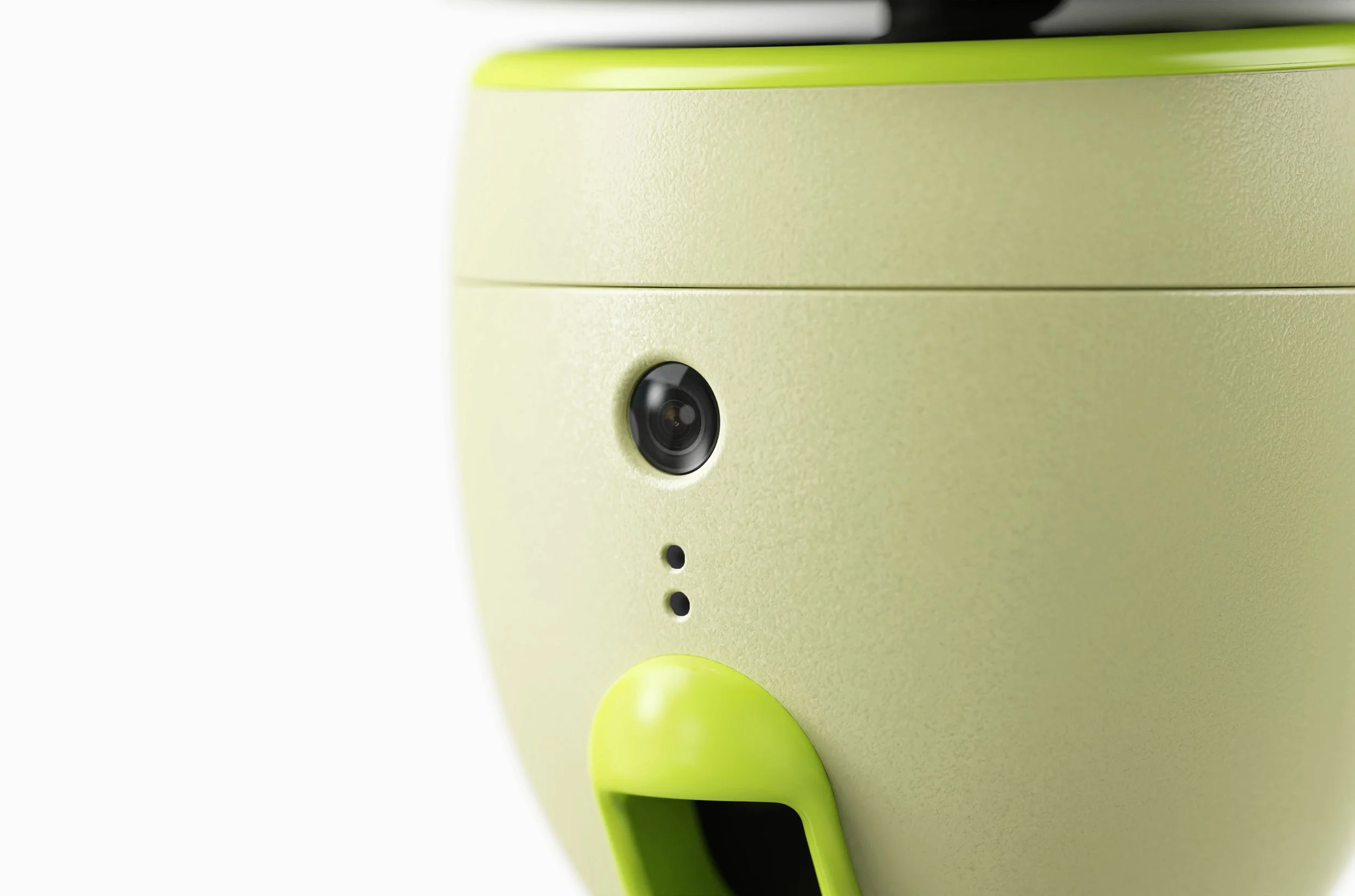
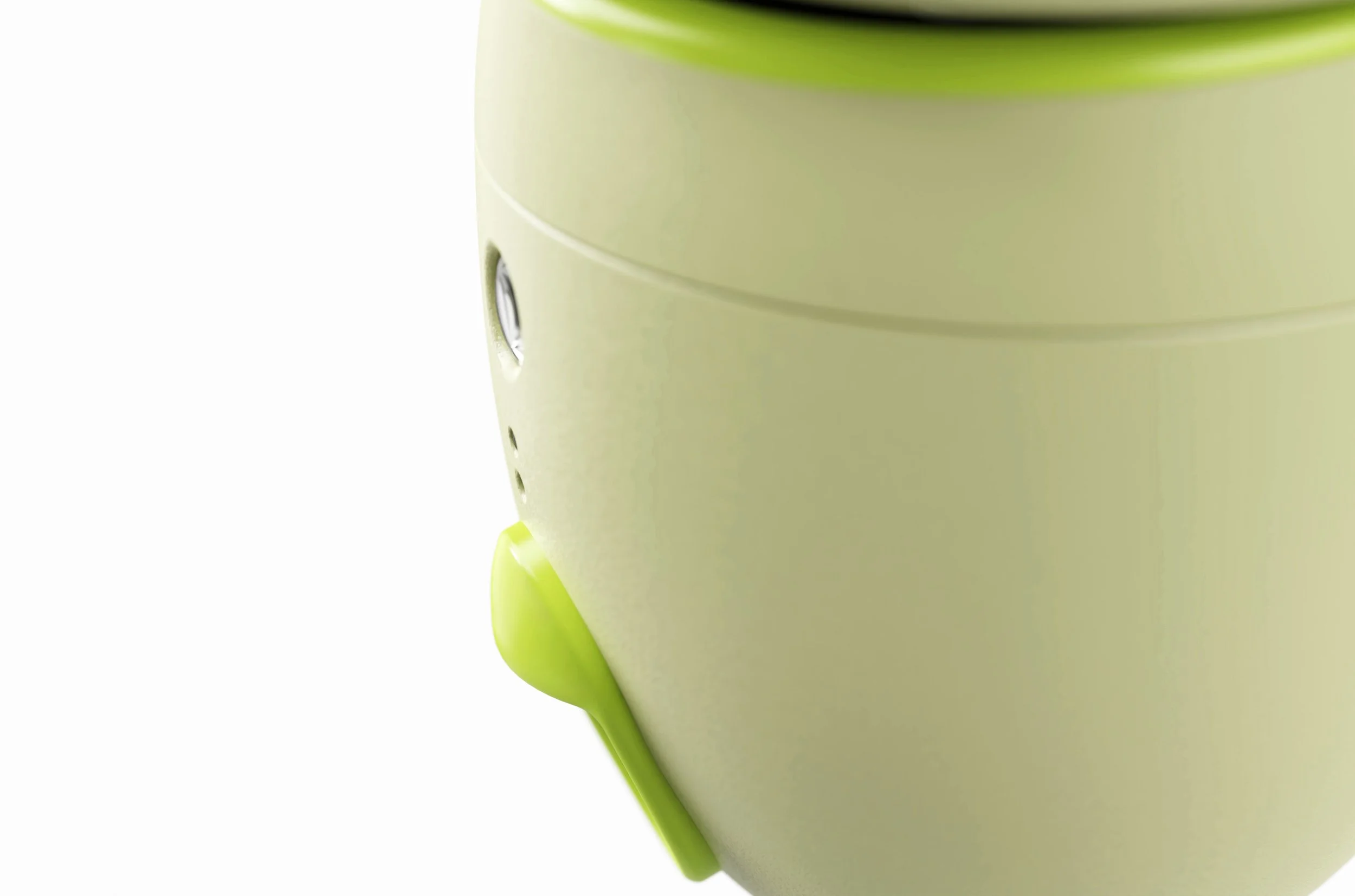
Infrared night‑vision camera for detecting bird arrivals and recording human interactions.
Species identification and time‑stamped recordings.
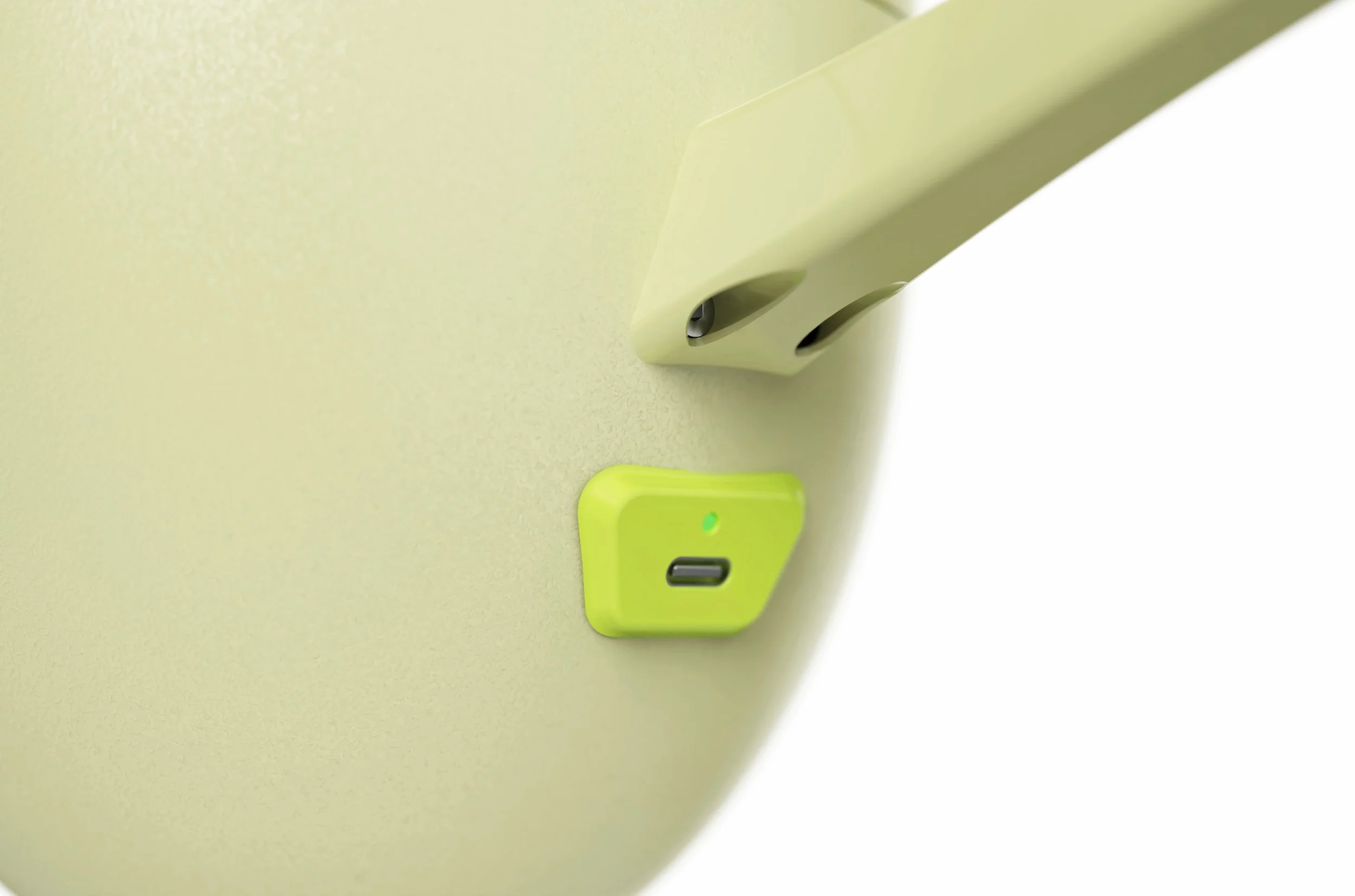
GRIME RESISTING BASE
More to explore
-
![https://www.evastudio.io/escooter]()
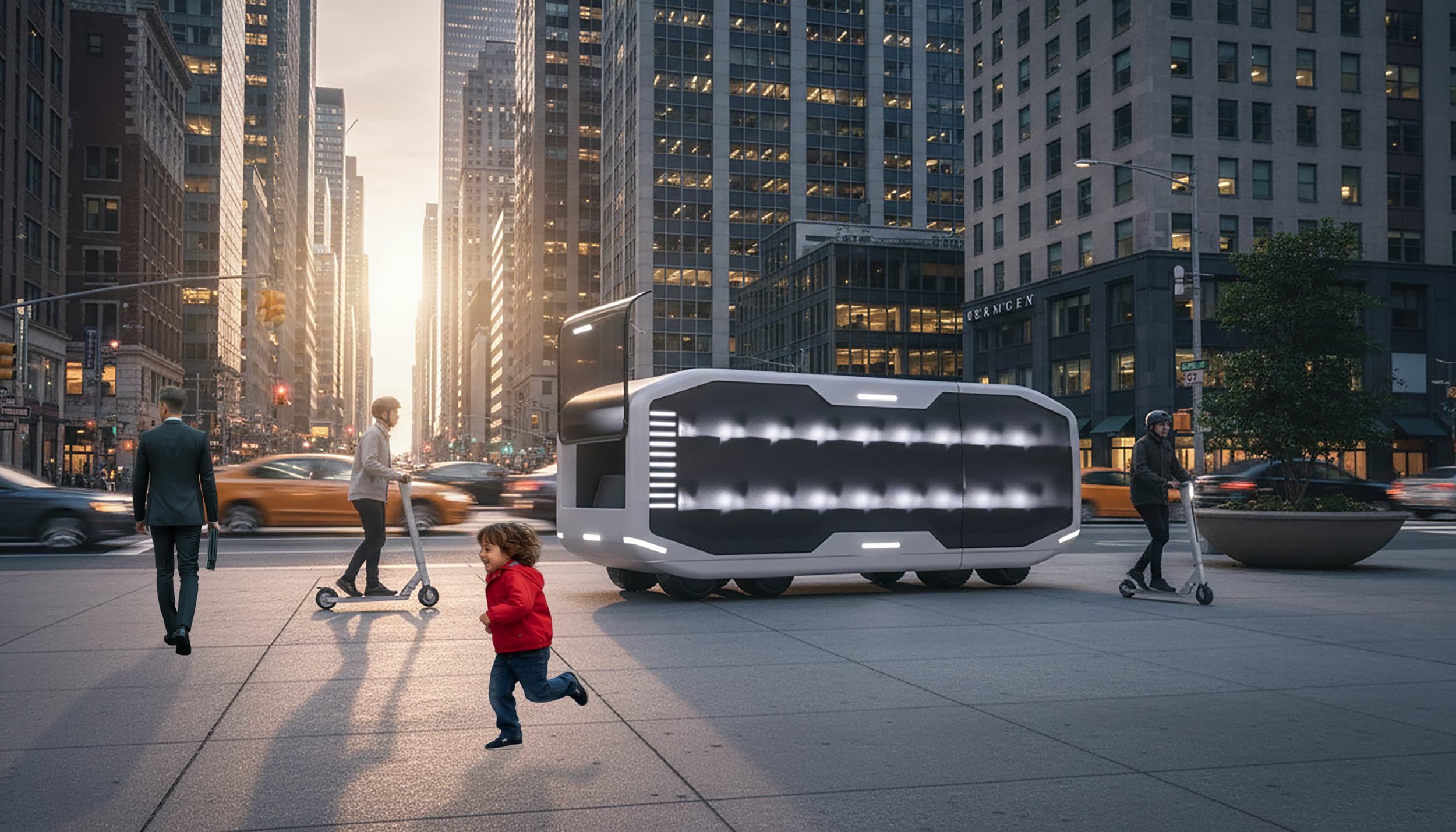
fleetflow Escooters
Fall 2025 A compact, self-driving vehicle specifically engineered to revolutionize how shared mobility fleets are maintained and distributed.
-
![https://www.evastudio.io/viper-shoes]()
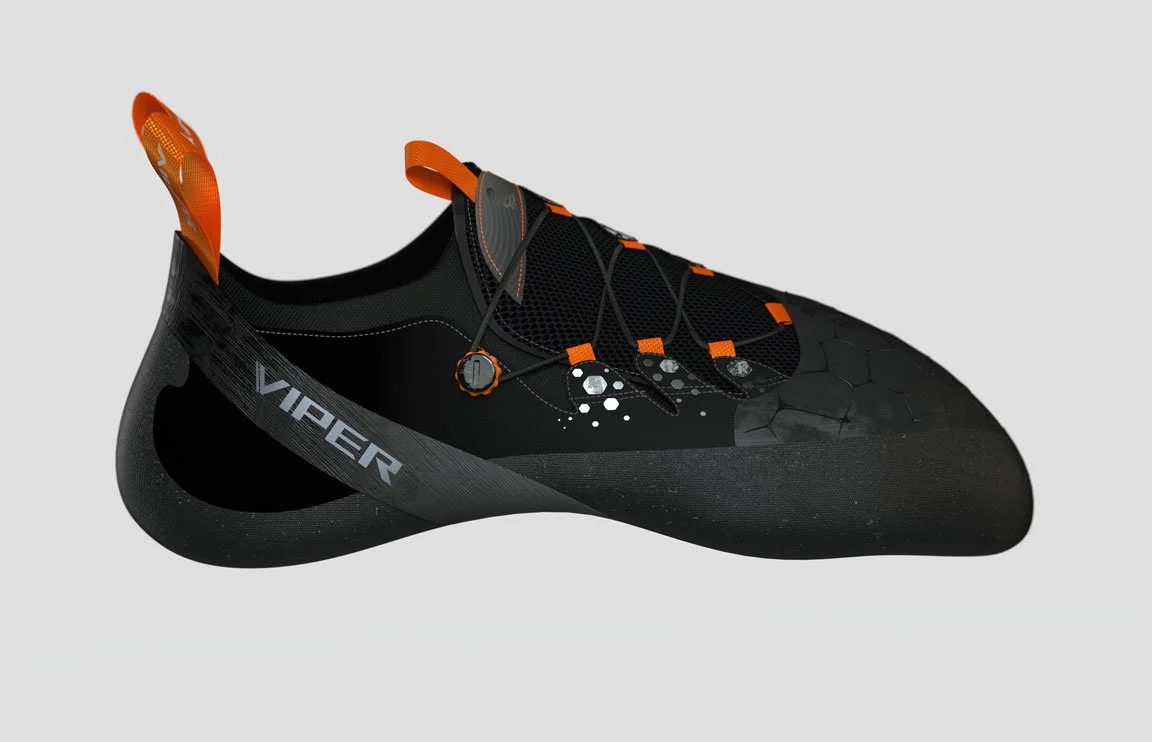
VIPER BOULDERING SHOES
Spring 2025 Exploration of functional form within climbing footwear design in convergence of ergonomics and aesthetics
-
![https://www.evastudio.io/smile-shield]()
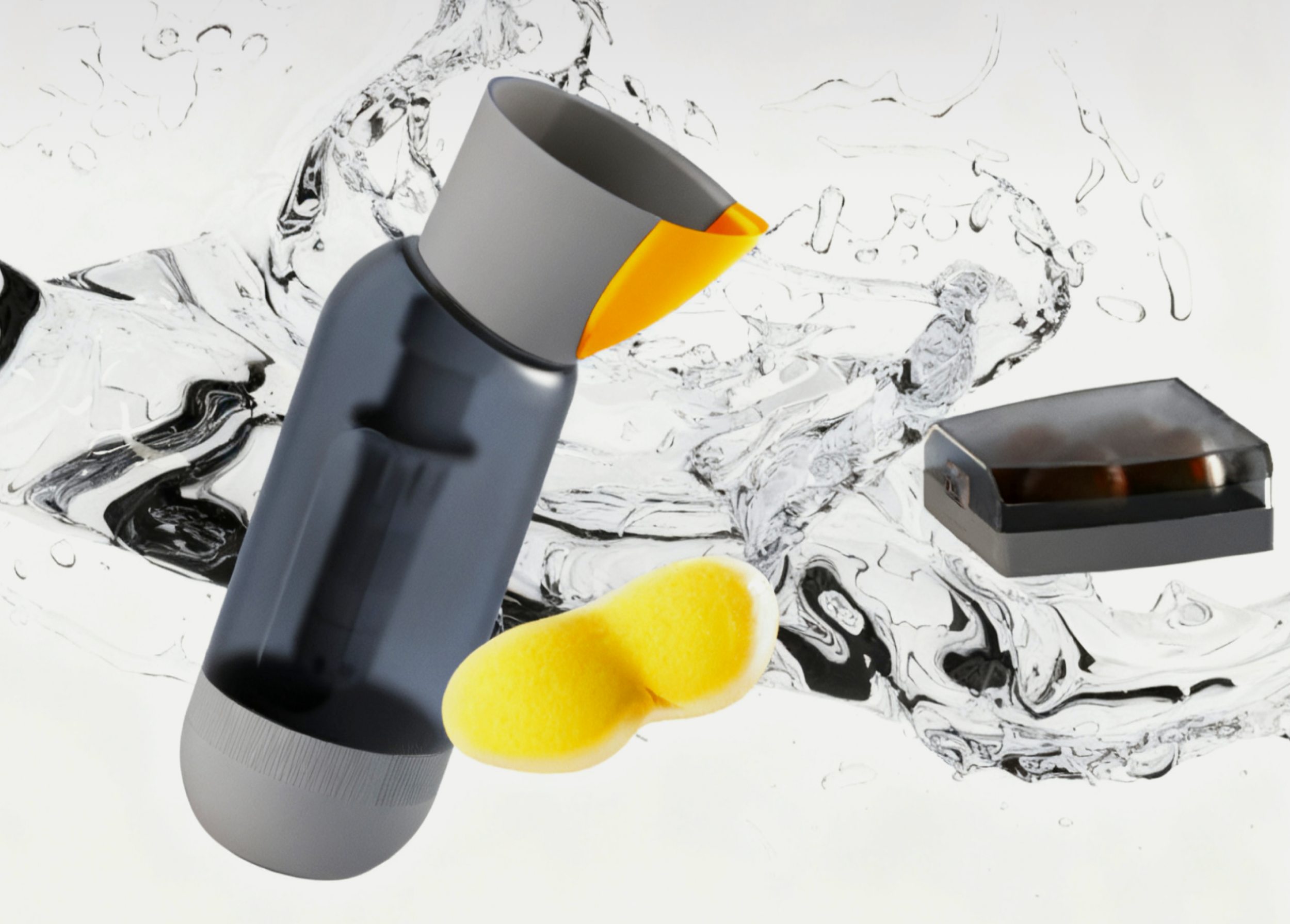
SMILE SHIELD INITIATIVE
Fall 2025 A product advocating universal affordability and accessibility of oral care while raising awareness among low income groups
-
![https://www.evastudio.io/adaseco]()
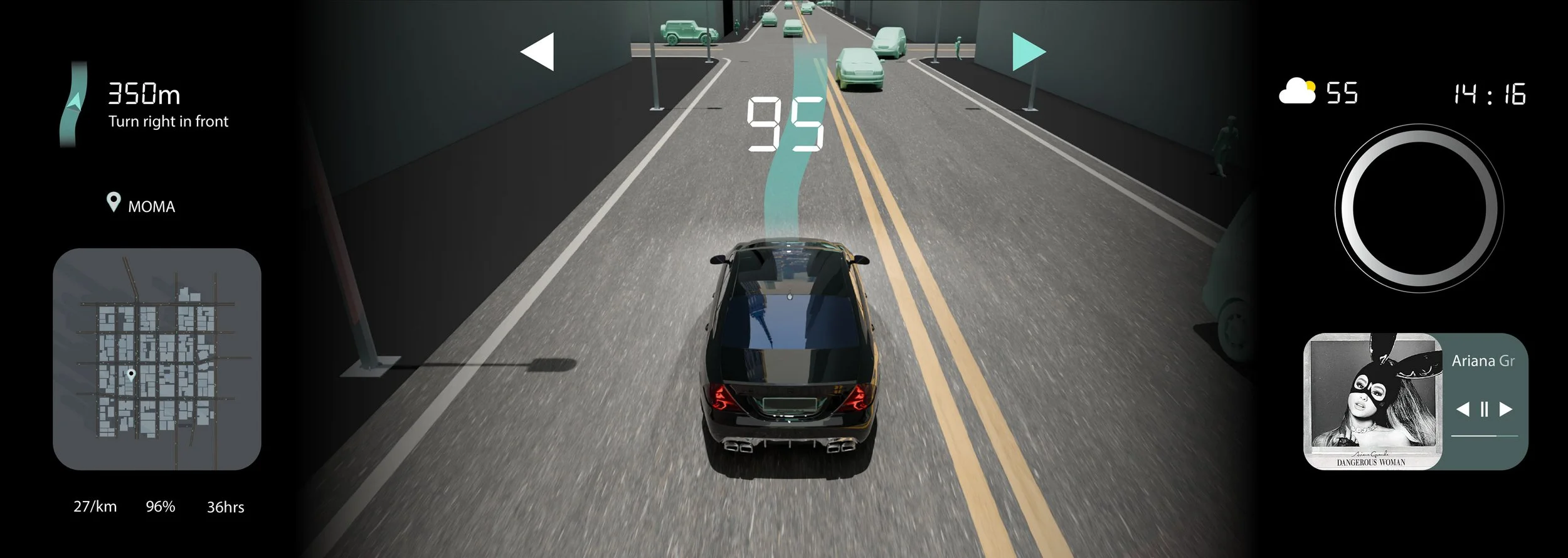
The Adaseco Project
Summer 2024 UIUX design for the Adaseco autonomous driving assistant system
-
![https://www.evastudio.io/escooter]()
the contact list
Fall 2024 A discreet and playful toy designed as an interactive book for queer women
-
![https://www.evastudio.io/skeletal-chair]()
The Skeletal Chair
Spring 2025
-
![https://www.evastudio.io/barstool]()
The Barstool
Spring 2025
-
![Wheeling Couch]()
Wheeling Couch
Spring 2025 An interactive couch designed for children
-
![]()
digital ouija board
Fall 2024 A digital graveyard where forgotten websites, lost data, and digital spaces drift in endless limbo...